

How to hire a Turkish citizen in Switzerland
A practical employer guide to hiring a Turkish citizen in Switzerland, including permit route, documents, visa steps, and timing.

Fenja Brockmann
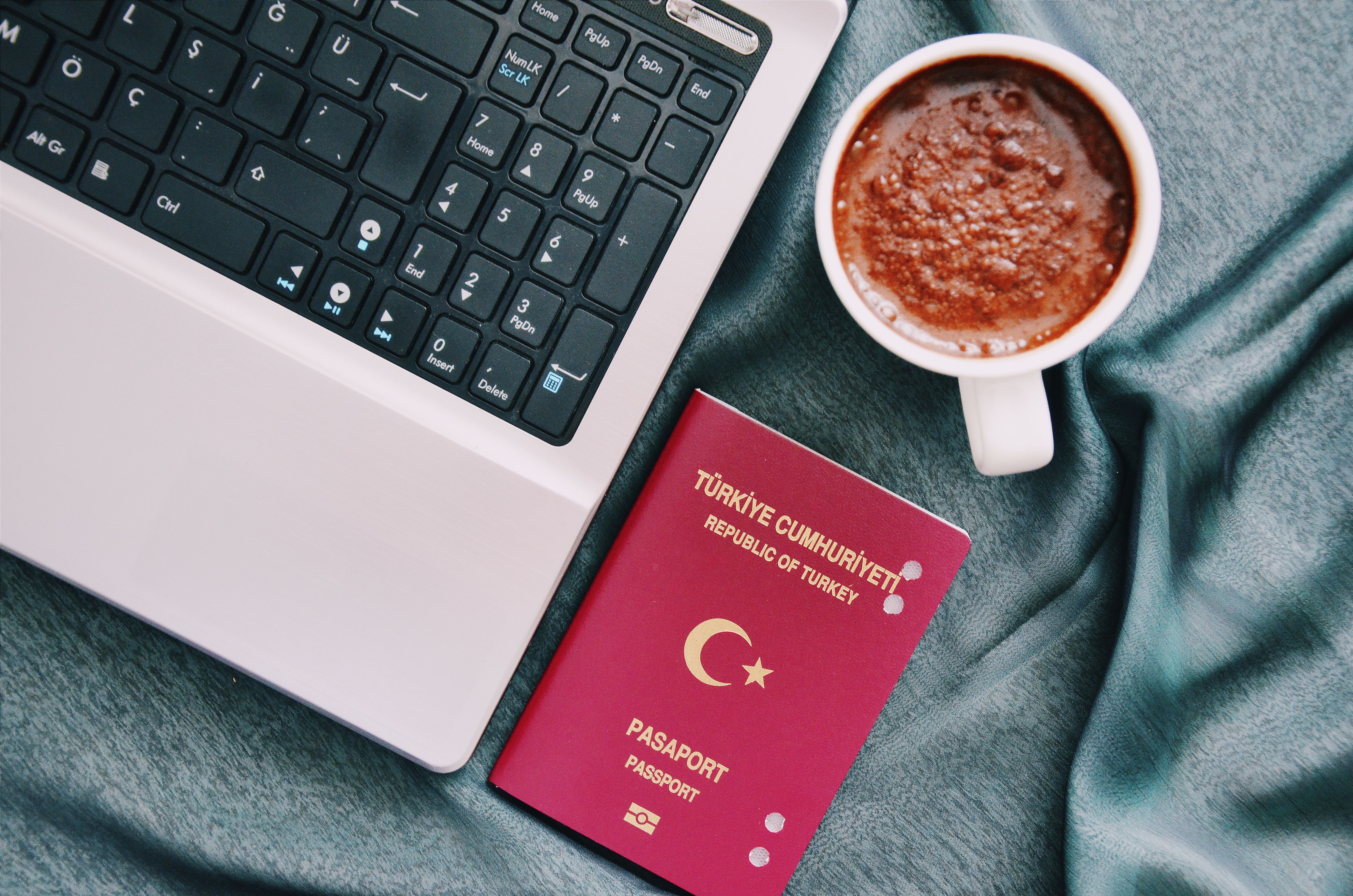
A practical employer guide to hiring a Turkish citizen in Switzerland, including work permits, visa timing, documents, family relocation, and assignment risks.
Short answer
A Swiss company can hire a Turkish citizen, but the case usually follows the non-EU/EFTA work-permit route. The Swiss employer normally needs to apply for work authorisation before the employee enters Switzerland for work or starts the job.
Swiss authorities usually check whether the role is important for the Swiss economy, whether the candidate is a manager, specialist, or highly qualified professional, whether salary and working conditions meet Swiss standards, whether the employer searched first in Switzerland and the EU/EFTA labour market, and whether quota space is available.
For Turkish citizens, employers should also plan for visa timing, document translation or authentication, family documents, and social-security checks if the case is a temporary assignment from Turkey.
💡 Check the Swiss hire feasibility. Permitree gives employers the likely Swiss route, timeline, document checklist, costs, risks, and process overview before they move into the full hiring or mobility case.
What makes a Turkish hire different?
For Swiss work permits, the main point is that Turkey is outside the EU/EFTA.
This means a Turkish citizen is not treated like an EU/EFTA citizen. A signed Swiss employment contract is not enough. A Schengen visa is not enough. A pending Swiss application is not enough.
The employer should expect a full work-permit file unless a specific assignment or short-term route applies.
The first questions should be:
Is this a Swiss local hire or an assignment from Turkey?
Is the role senior, specialist, or business-critical enough?
Can the employer explain the search in Switzerland and the EU/EFTA market?
Are diplomas, references, and civil-status documents ready?
Will family members move at the same time?
Does payroll or social security need a Switzerland-Turkey posting analysis?
When is a Turkish candidate likely to be feasible?
A case is usually stronger when the role is specialised and the employer can explain why the candidate is needed in Switzerland.
Examples may include:
senior management or country leadership;
founders or key company builders;
AI, software, data, cloud, cybersecurity, or product specialists;
robotics, electrical, mechanical, production, or civil engineers;
scientists, researchers, and R&D specialists;
biotech, pharma, medtech, or life-science specialists;
highly qualified medical or clinical professionals;
aviation, energy, finance, logistics, manufacturing, or regulated-industry experts;
niche specialists with rare product, client, regional, technical, or platform knowledge.
These are examples, not automatic approval categories. The application still needs to prove why this role, this person, and this Swiss employer meet the Swiss admission criteria.
Main employer requirements
For a standard Swiss hire of a Turkish citizen, the employer usually needs to show the following.
Economic interest: the hire should make sense for Switzerland and the Swiss economy. This can include business growth, innovation, specialist expertise, client delivery, research, or a role important for the Swiss operation.
High qualification: the candidate should usually have higher education and several years of relevant professional experience. If the profile is based on rare practical expertise instead of a formal degree, the file should explain that clearly.
Labour-market priority: the employer usually needs to show that no suitable person was available in Switzerland or the EU/EFTA labour market.
Swiss salary and working conditions: the salary, working hours, holidays, job level, and employment terms should match Swiss standards for the location, role, and industry.
Quota availability: first-time B and L permits for non-EU/EFTA nationals are limited by annual quota numbers.
Complete documents: missing documents can delay the case, especially diplomas, references, family documents, translations, and authentication steps.
Labour-market priority in simple language
Labour-market priority means the employer normally needs to try first to recruit from:
Switzerland;
people already allowed to work in Switzerland;
EU/EFTA countries.
If the employer still needs the Turkish candidate, the application should explain why the local and EU/EFTA search did not solve the hiring need.
Useful evidence may include:
job advertisements;
LinkedIn, recruiter, job-board, or specialist search records;
RAV or labour-market registration evidence where required;
number and type of candidates reviewed;
why other candidates did not fit;
what skills were missing;
why the Turkish candidate meets the role requirements.
Permitree practice point: avoid a vague explanation like “this is our preferred candidate”. The authority needs to understand the skill gap and the business need.
The employment contract should be conditional
For Turkish hires, the employment contract or offer should usually make the start date conditional on Swiss work authorisation and any required visa, entry, and registration steps.
This protects both the employer and the employee. It avoids the employee resigning, moving, or starting work before the Swiss approval is ready.
A practical offer says that employment starts only once the required permit and entry steps are complete.
B permit or L permit?
The employer can plan for a likely permit type, but the authority decides.
As a practical guide:
a B permit is more likely for a long-term or unlimited Swiss employment contract;
an L permit is more likely for fixed-term roles, shorter assignments, or cautious first approvals;
startups and smaller companies may sometimes receive an L permit first;
the application work is often similar because the authority still reviews the role, salary, candidate, labour-market evidence, and quota position.
For the employee, this matters for housing, renewal expectations, family timing, and how stable the relocation feels.
Can the Turkish employee enter Switzerland before approval?
Turkish citizens generally need a visa for short stays in Switzerland unless a specific exemption applies, such as certain valid Schengen residence permits or visas. For employment, the person also needs the correct Swiss work authorisation.
For a new Swiss hire, the safer process is:
The Swiss employer files the work-permit application.
The Swiss authorities review the employment case.
After approval, the employee completes the required visa or authorised-entry step with the Swiss representation responsible for their place of residence.
The employee enters Switzerland with the correct authorisation.
The employee registers locally after arrival and before starting work, where required.
The employee should not enter Switzerland as a visitor and begin working while the permit is pending.
Can the Turkish employee start work before the permit is approved?
Usually no.
A signed Swiss contract, a visitor visa, a business visa, or a pending permit application does not normally allow productive work in Switzerland.
Be careful with activities described as “just onboarding”, “just training”, “trial work”, or “unpaid help”. If the person is physically in Switzerland and doing work for the employer, the route should be checked first.
Visa D and authorised entry after approval
For long-term employment, Turkish citizens usually need a national visa D or authorised-entry step after the Swiss work approval.
This step is separate from the employer’s work-permit application. The employee may need to contact the competent Swiss representation, provide passport documents, and wait for the visa or entry authorisation to be issued.
Even after Swiss work approval, employers should leave time for:
visa appointment or processing;
passport handling;
travel planning;
housing search;
local registration;
family documents, if family members are joining.
Documents employers usually prepare
The exact list depends on the canton and case, but employers should expect to prepare:
signed employment contract or offer letter;
job description;
salary and benefits details;
work location and start date;
employer explanation letter;
labour-market search evidence;
reasons other candidates were not suitable;
organisation chart, if useful;
company extract or company information (often a business plan or business-plan-style company explanation);
transfer or assignment letter, if the person is moving within a group;
project, product, client, research, or market context if relevant.
For specialist roles, the job description should match the candidate’s actual expertise. A generic job description can make the case weaker.
Documents the Turkish candidate usually provides
The candidate should usually prepare:
passport copy;
CV;
university diplomas or higher education certificates;
employment references or work certificates;
proof of specialist skills, if relevant;
professional licences or regulated-profession documents, if relevant;
marriage certificate, if a spouse is joining;
birth certificates for children, if children are joining;
translations where required;
apostilles or other authentication steps where required;
current residence permit, if the candidate lives outside Turkey.
Turkish civil-status documents can take time to prepare in the format Swiss authorities expect. If family members will relocate, start early.
Translation and document notes
Many Turkish documents are issued in Turkish. Swiss authorities may ask for certified translations if the document is not in a language accepted by the canton or representation.
Civil-status documents such as birth or marriage certificates may need formal authentication, depending on the document and authority. The exact requirement should be checked before filing.
Permitree practice point: do not leave family documents until the end. A work-permit case can move faster than the family paperwork, and then the relocation plan becomes stressful.
How long does it take?
A practical planning estimate is often 4 to 6 weeks after a complete Swiss application is submitted until the main work approval is ready, but the full relocation timeline may be longer.
Delays are common when:
labour-market evidence is weak;
salary does not look Swiss-market appropriate;
the job description is too generic;
diplomas or references are missing;
translations or authentication documents are not ready;
family documents are incomplete;
the authority asks why the role cannot be filled locally;
quota availability is tight;
visa or passport handling takes longer than expected.
Family relocation and spouse work
A Turkish employee may often be able to bring close family members to Switzerland, usually the spouse and unmarried children under 18, if the conditions are met.
Authorities may check:
suitable housing;
enough financial means;
common household in Switzerland;
family documents;
no dependence on social assistance;
language or language-course requirements for the spouse, where applicable.
If the main employee receives a B permit, the spouse can normally work in Switzerland. If the main employee receives an L permit, spouse work may require additional authorisation.
Payroll, tax, and social security
If the Turkish citizen is hired locally by a Swiss employer and works in Switzerland, Swiss payroll and Swiss social security are usually expected.
If the person is temporarily assigned from Turkey to Switzerland and remains employed by a Turkish company, the analysis changes. Switzerland and Turkey have a social security agreement, and Swiss AHV/IV guidance lists Turkey among the countries where postings can last up to 24 months in the right case.
This does not replace the work permit. Immigration and social security are separate checks.
Before filing, the employer should decide whether the case is:
a Swiss local hire;
a Turkey-to-Switzerland assignment;
an intra-company transfer;
a service contract;
remote work from Switzerland;
a short-term project.
Turkey-specific points employers should not miss
Visa planning matters: Turkish citizens usually need the visa or authorised-entry step after Swiss work approval. Do not plan the start date as if the person can travel immediately.
Documents may need translation: diplomas, certificates, marriage certificates, and birth certificates should be checked early.
Assignments are different from local hires: a Turkish employee sent temporarily by a Turkish employer creates different payroll, tax, and social-security questions from a Swiss local hire.
Social security does not replace immigration: a posting certificate may help with social-security contributions, but it does not give permission to work in Switzerland.
Questions asked by employees
Questions employers should be ready to answer
Common mistakes
Treating the case like an EU/EFTA hire.
Assuming a visa allows Swiss employment.
Letting the employee start onboarding in Switzerland before approval.
Using a generic job description for a specialist role.
Not documenting the labour-market search.
Offering salary or conditions below Swiss expectations.
Preparing translations or civil-status documents too late.
Forgetting family documents until after the main approval.
Confusing a Turkey assignment with a Swiss local hire.
How Permitree helps
Permitree helps employers check whether a Turkish hire is likely to fit the Swiss non-EU/EFTA route, what documents are needed, and where visa, family, translation, payroll, or social-security risks may appear.
💡 Check the Swiss hire feasibility. Permitree gives employers the likely Swiss route, timeline, document checklist, costs, risks, and process overview before they move into the full hiring or mobility case.
FAQ
Legal references
Foreign Nationals and Integration Act (FNIA/AIG), especially Articles 18 to 24 on admission for employment.
Ordinance on Admission, Period of Stay and Employment (VZAE/OASA), including quota and admission rules.
SEM guidance on admission requirements for non-EU/EFTA nationals.
SEM and FDFA guidance on entry, national visas, and work authorisation.
Switzerland-Turkey social security agreement and Swiss AHV/IV guidance for posting cases.